
How Often Should You Mow Your Lawn in Ontario? A Seasonal Guide
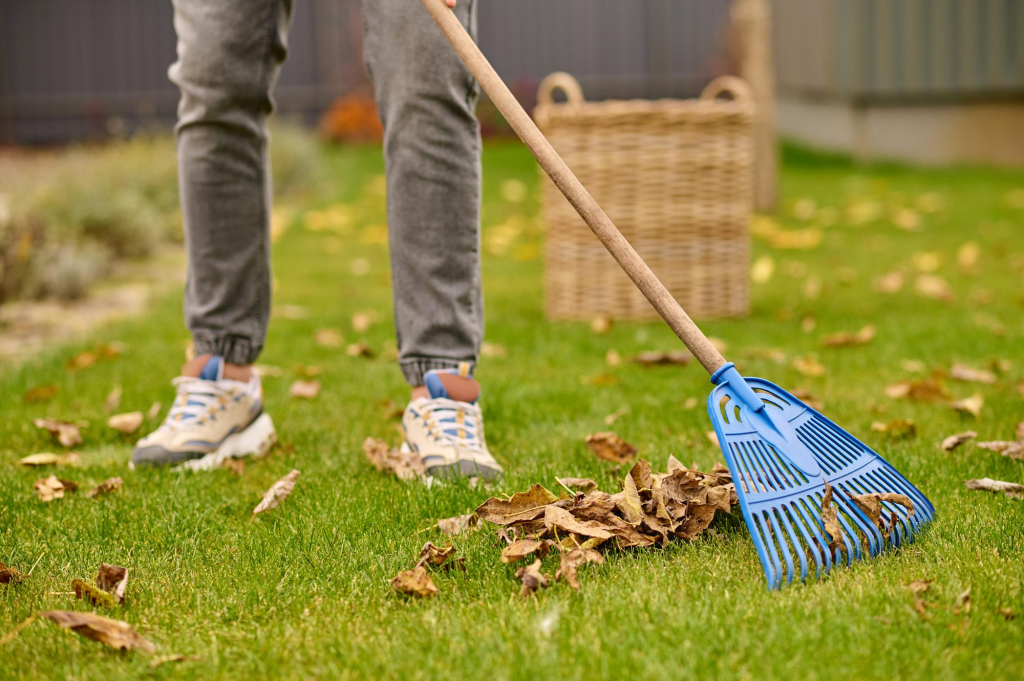
If you have ever stood in your backyard wondering whether your lawn actually needs a trim or if you are just imagining it, you are not alone. Figuring out how often to mow lawn Ontario weather demands can feel surprisingly tricky, since our growing season shifts so much between early spring, peak summer heat, and the cooler stretch of fall. Mow too often and you stress the grass. Mow too little and you end up with a shaggy, uneven lawn that struggles to stay healthy.
In this guide, we are going to break down exactly how often you should be mowing throughout the year, season by season, along with the factors that can shift your schedule depending on weather, grass type, and how your lawn is growing that particular week. The team at 905 Handy Home Services work with Ontario homeowners all season long, and this guide reflects the same practical, experience based advice they share with clients every single week.
By the time you finish reading, you will have a clear, reliable framework for building your own lawn mowing schedule Ontario conditions actually call for, rather than just guessing based on how the neighbours' lawn looks.
Why Mowing Frequency Actually Matters
It might seem like mowing is simply about keeping your lawn looking tidy, but the frequency you choose has a real impact on the overall health of your grass. Grass that gets mowed too infrequently grows tall and then gets cut back dramatically all at once, which puts significant stress on the plant and can leave your lawn looking patchy or yellowed afterward.
On the other hand, mowing too often, especially when the grass has not grown enough since the last cut, can weaken the root system over time and make your lawn more vulnerable to drought, weeds, and disease. Finding the right balance genuinely matters, not just for appearance, but for the long term resilience of your entire lawn.
This is exactly why grass cutting frequency should not be based on a fixed weekly habit alone. Instead, it should follow the actual growth rate of your grass, which naturally shifts throughout the growing season based on temperature, rainfall, and daylight hours.
The One Third Rule, A Foundation Worth Knowing
Before diving into a season by season breakdown, it helps to understand one simple but important principle that guides nearly all professional mowing schedules, known as the one third rule. This rule states that you should never remove more than one third of the grass blade's total height in a single mow.
For example, if you are maintaining your lawn at a height of about three inches, you should mow again once the grass reaches about four and a half inches, rather than letting it grow significantly taller before cutting it back down. Following this rule helps prevent stress on the grass, reduces the risk of scalping, and supports stronger, healthier root development over time.
Keeping this rule in mind makes it much easier to judge when your lawn actually needs mowing, rather than sticking rigidly to a fixed calendar schedule regardless of how quickly the grass is actually growing that week.
Early Spring, Waking the Lawn Up Slowly
As your lawn comes out of winter dormancy, growth tends to start slowly, particularly during the cooler weeks of early spring in Ontario. During this period, once every seven to ten days is generally sufficient for most lawns, though this can vary depending on how quickly temperatures warm up and how much rainfall your area receives.
It is worth resisting the urge to cut your lawn too short during this early growth period. Keeping your mowing height slightly higher, generally around three inches, helps protect the grass as it strengthens after winter and supports healthier root development heading into the more demanding summer months.
Early spring is also a good time to make sure your mower blades are sharp before the season really gets going. Dull blades tend to tear grass rather than cutting it cleanly, which can leave your lawn more vulnerable to disease and stress right from the start of the season.
Late Spring, Peak Growth Begins
As temperatures continue to rise through May and into June, most Ontario lawns enter their most vigorous growth period of the year. During this stretch, you will likely need to mow every five to seven days to keep up with how quickly the grass is growing.
This is often the point where homeowners start to notice just how much their lawn mowing schedule Ontario weather requires can shift from week to week. A particularly rainy stretch might mean your lawn needs cutting every five days, while a drier week might stretch that out closer to seven or even eight days without any harm to the grass.
Paying attention to actual grass height, rather than rigidly following a fixed schedule, is especially important during this active growth period. If you find yourself mowing significantly more than a third of the blade height at once, it is a good sign you have let too much time pass between cuts.
Summer, Adjusting for Heat and Drought
Once the heat of a typical Ontario summer really sets in, particularly during July and August, grass growth often slows down, especially if your area experiences a dry spell. During hot, dry periods, many lawns naturally require less frequent mowing, sometimes stretching to every ten to fourteen days depending on rainfall and how well the lawn has been watered.
During summer heat, it is also worth raising your mowing height slightly, generally to around three and a half to four inches. Taller grass shades the soil more effectively, helping retain moisture and reducing stress on the lawn during hot, dry conditions. Cutting grass too short during summer heat can leave your lawn more vulnerable to sun damage and drought stress, sometimes resulting in a lawn that struggles to bounce back even after cooler weather returns.
If your area receives regular rainfall throughout the summer, or if you are watering your lawn consistently, growth may remain more active, meaning you might still need to mow closer to every seven to ten days rather than stretching out the schedule as much as a drought stressed lawn would allow.
Early Fall, A Return to More Frequent Mowing
As temperatures begin to cool in September, many Ontario lawns experience a second, sometimes surprising, burst of growth. Cooler temperatures combined with typically more consistent rainfall create excellent growing conditions for most common grass types found throughout the region.
During early fall, you may find yourself back to mowing every five to seven days, similar to the pace seen during late spring. This is a great time to keep your lawn a bit shorter than your summer height, gradually lowering back toward around two and a half to three inches as the season progresses, which helps prepare the grass for the dormancy period ahead.
Late Fall, Preparing for Winter Dormancy
As growth naturally slows heading into late October and November, mowing frequency should decrease accordingly, often returning to roughly every ten to fourteen days depending on how quickly temperatures drop in a given year. Your final mow or two of the season should generally be slightly shorter than your regular summer height, helping prevent matting and reducing the risk of snow mold developing over the winter months.
It is worth continuing to mow as needed right up until growth essentially stops for the season, rather than stopping too early and leaving grass too tall heading into winter. Overly long grass beneath heavy snow cover can create conditions that encourage fungal issues to develop by the time spring arrives.
Factors That Can Shift Your Mowing Schedule
While the seasonal guide above provides a solid general framework, several factors can shift your specific lawn mowing schedule Ontario conditions call for from week to week. Rainfall amounts directly affect growth rate, with wetter periods generally requiring more frequent mowing than drier stretches. Grass type also plays a role, since some varieties naturally grow faster than others, even under identical weather conditions. Fertilizer application can temporarily boost growth rate, sometimes requiring more frequent mowing in the days following an application.
Shade versus full sun exposure affects growth patterns as well, with shadier areas of your lawn sometimes growing more slowly than sections receiving full sun throughout the day. Rather than treating mowing frequency as a fixed weekly task, paying attention to these variables and adjusting accordingly tends to produce a healthier, better looking lawn throughout the entire growing season.
Common Mowing Mistakes That Hurt Lawn Health
Beyond simply mowing too often or not often enough, a few other common mistakes can undermine lawn health regardless of how closely you follow a proper schedule. Mowing wet grass often leads to uneven cutting and can spread lawn disease more easily between different areas of your yard. Using dull mower blades tears grass rather than cutting cleanly, leaving the lawn more vulnerable to stress and disease.
Mowing in the same direction every single time can lead to soil compaction and grass leaning in one consistent direction over time, so alternating your mowing pattern helps maintain a healthier, more even lawn. Avoiding these common pitfalls, alongside following an appropriate seasonal mowing schedule, contributes significantly to overall lawn health and appearance throughout the year.
When Professional Lawn Care Makes Sense
While many Ontario homeowners handle their own mowing throughout the season, life gets busy, and keeping up with a shifting seasonal schedule is not always realistic for everyone. This is exactly where professional lawn maintenance Ontario services can make a real difference, ensuring your lawn receives consistent, properly timed care throughout the entire growing season without you needing to track weather patterns and growth rates yourself.
Exploring the full range of lawn care services available can give you a clearer sense of how a professional team adjusts mowing frequency and technique throughout the year based on real time conditions, rather than following a rigid, one size fits all schedule regardless of actual lawn needs.
Choosing the Right Team for Consistent Lawn Care
If you decide professional lawn care makes sense for your household, finding a team with genuine local experience matters significantly. Ontario's specific climate patterns, common grass types, and seasonal shifts all influence proper lawn care, and a team with real regional experience will understand these nuances far better than a generic, one size fits all service.
Learning more about an experienced local lawn care team can give you confidence that your lawn is being cared for by professionals who genuinely understand the specific seasonal patterns and challenges that come with maintaining a healthy lawn throughout an Ontario growing season.
Final Thoughts
Figuring out how often to mow lawn Ontario weather actually calls for comes down to paying attention to real growth patterns rather than sticking to a rigid weekly habit. From the slower growth of early spring to the vigorous pace of late spring and early fall, and the naturally slower stretches during summer heat and winter dormancy, adjusting your mowing schedule throughout the year genuinely supports a healthier, better looking lawn all season long.
If you would rather leave your lawn care in experienced hands, reach out to the team at 905 Handy Home Services today and enjoy a consistently healthy, well maintained lawn all year round.
Frequently Asked Questions
1. How often should I mow my lawn in Ontario during peak summer growth?
During peak growth periods in late spring and early summer, most Ontario lawns benefit from mowing every five to seven days, depending on rainfall and temperature.
2. Does mowing frequency change during a summer drought?
Yes, during hot, dry stretches, grass growth typically slows significantly, often allowing mowing frequency to stretch to every ten to fourteen days without harming the lawn.
3. What is the one third rule in lawn mowing?
The one third rule states that you should never remove more than one third of the grass blade's height in a single mow, which helps prevent stress and supports healthier root growth.
4. Should I mow my lawn shorter in the fall before winter?
Yes, gradually lowering your mowing height for the final cuts of the season helps prevent matting and reduces the risk of snow mold developing over winter.
5. How often should I mow my lawn in early spring?
Early spring typically requires mowing every seven to ten days, though this can vary depending on how quickly temperatures warm up in a given year.
6. Is it bad to mow my lawn too frequently?
Yes, mowing too often, especially when the grass has not grown enough since the previous cut, can weaken the root system and increase vulnerability to drought and disease over time.
7. Does grass type affect how often I need to mow?
Yes, different grass varieties grow at different rates, so lawns with faster growing grass types may require more frequent mowing than those with slower growing varieties under similar conditions.
8. Should I mow my lawn if it is wet from rain?
It is generally best to avoid mowing wet grass, since it can lead to uneven cutting and increase the risk of spreading lawn disease throughout your yard.
9. How tall should I let my grass grow between summer mowings?
Maintaining a slightly taller height, around three and a half to four inches, during summer heat helps protect the lawn from drought stress and sun damage.
10. Is professional lawn maintenance worth it for busy homeowners?
For many busy Ontario homeowners, professional lawn maintenance ensures consistent, properly timed care throughout the season without the need to track weather and growth patterns personally.